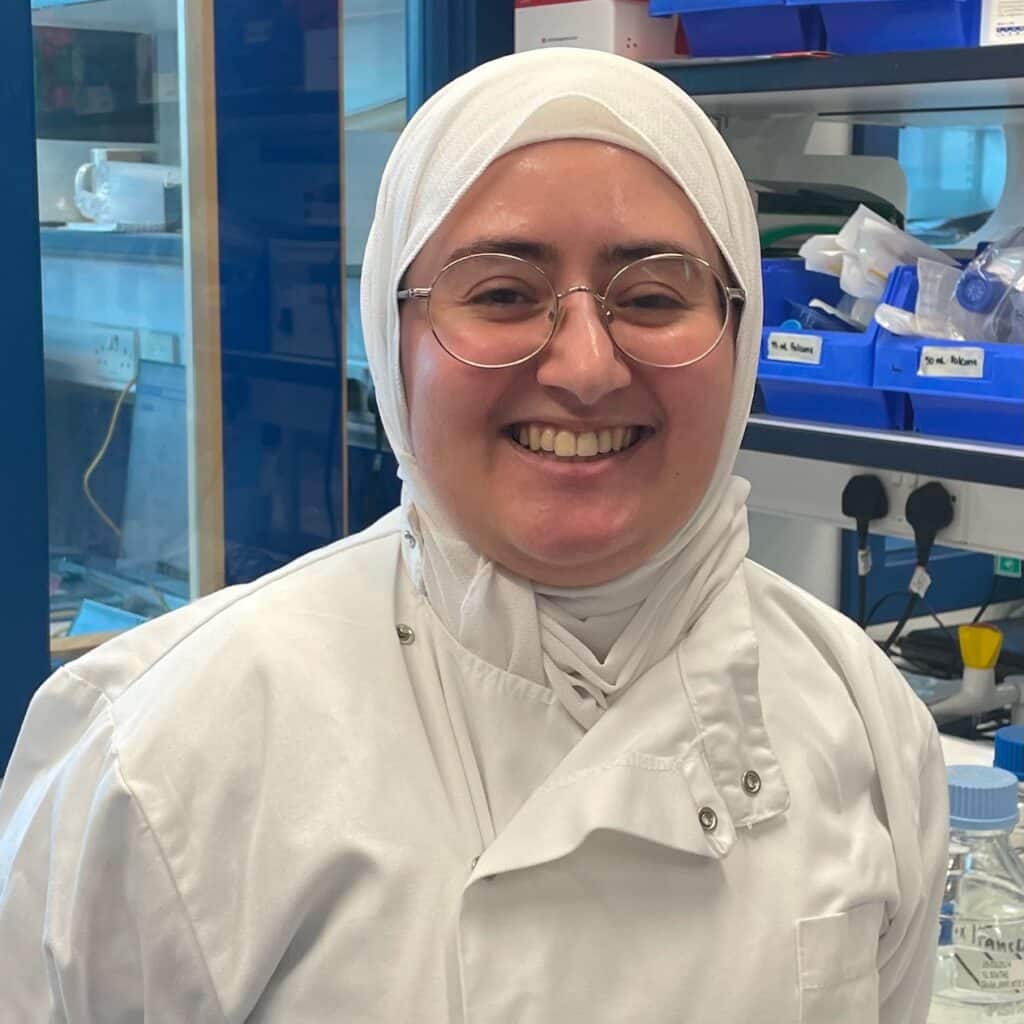

John Rouse
Cellular Responses to DNA Damage in Health and Disease

Current Research
Cellular responses to DNA damage are vital for maintaining genome integrity
The SLX4 complex - a molecular hub for controlling diverse aspects of genome maintenance
Control of genome integrity during DNA replication
Recruitment of proteins to DNA damage sites
The DNA in our genomes becomes damaged at a high frequency in all cell types – with tens of thousands of DNA lesions occurring in some cell types in a single day. Left unrectified, such a high level of DNA damage could result in a high level of mutation and genome instability, which would in turn compromise gene expression, cell function and life itself. We focus on understanding the molecular mechanisms underlying cellular responses to DNA damage, especially to lesions that block DNA replication or transcription. Mutations in DNA damage response genes can cause sterility, cancer, neurological dysfunction, premature aging or death during embryonic development, depending on the pathway involved. So, genome maintenance is vital for human health and well-being. We are keen to understand the mechanisms whereby disease-associated mutations in DNA damage response regulators perturb cell function and cause disease. We are particularly interested in identifying new drug targets and in the “molecular rebalancing” of disease-associated molecular signatures relevant to chromosome maintenance.
We and others identified a “molecular Swiss army knife” for DNA repair in mammalian cells. The complex is coordinated by the central SLX4 scaffold protein that binds to a range of proteins involved in DNA repair, including three separate endonucleases – MUS81-EME1, XPF-ERCC1 and SLX1. We found that MUS81-EME1 and SLX1 are required for the resolution of Holliday junctions (HJs), four-way DNA junctions at which two sister chromatids or homologous chromosomes become intertwined during homologous recombination. Both XPF-ERCC1 and MUS81-EME1 are required for the efficient repair of DNA inter-strand crosslinks (ICLs), toxic lesions which block the separation of parental strands required for DNA replication. Tethering of the nucleases to SLX4 is also important for ICL repair, and bi-allelic mutations in SLX4 in humans causes Fanconi anemia (FA) as a result of defective ICL repair. The binding of MUS81-EME1 to SLX4 only occurs in G2/M phases of the cell cycle, and although recent data point to a role for CDKs, the underlying mechanism is unknown. We are this issue as a part of a much wider project which aims to understand how the cell cycle regulates the composition and activity of the SLX4 complex. For example, we recently determined the interactome of the SLX4 in G1 versus G2 phases of the cell cycle which has revealed exciting new functions for the complex and has presented us with some big surprises about functionally distinct SLX4 isoforms in human cells.
The genome is particularly vulnerable during DNA replication, a time when parental strands are being separated and replicated, and chromatin is altered to allow the DNA replication machinery to move along chromosomes. We are doing a lot of work on two sets of factors that appear to play vital roles during DNA replication: the MMS22L -TONSL complex and the TLK1&2 kinases. We and other identified MMS22L and TONSL as two subunits of a complex required required for the homologous recombination mode of DNA repair. We find both subunits are required for cell viability but it’s not clear what the complex does to allow cell survival, and for preserving genome stability in S-phase. The TLK1&2 kinases are also lethal when inactivated together, and our data indicate they’re also required for preserving genome stability in S-phase but we do not yet know why. Understanding why MMS22L-TONSL and TLK1/2 are so important for genome maintenance is a major aim for us.
Our work, and that of others, has shown that the timely recruitment of DDR proteins to DNA lesions is crucial for preventing genome instability and human disease. All known DNA damage response (DDR) factors are recruited to sites of genomic DNA damage, and we used this neat property to find new DDR proteins. We have established an automated state-of-the-art cell-based live imaging microscopy platform to enable us to screen protein families for members that are recruited to DNA damage sites. To date, we have screened a number of protein families including the human kinome, nucleases, helicases and other protein families. This exercise has revelaed new regulators of gneome stability which we are now studying.
Key Publications
View all Publications
The histone chaperone SPT2 regulates chromatin structure and function in Metazoa
Saredi ,G., Carelli,F.N., Rolland, S.G.M., Furlan, G., Piquet, S., Appert, A., Sanchez-Pulido, L., Price, J.L., Alcon P., Lampersberger L., Déclais A.C., Ramakrishna, N.B., Toth, R., Macartney, T., Alabert, C., Ponting, C.P., Polo, S.E., Miska ,E.A., Gartner, A., Ahringer, J. & Rouse, J.
Nature Structural and Molecular Biology
(2024)
Chemo-phosphoproteomic profiling with ATR inhibitors berzosertib and gartisertib uncovers new biomarkers and DNA damage response regulators
Jadav, R., Weiland, F., Noordermeer, S., Carroll, T., Gao, Y., Wang, J., Zhou, H., Lamoliatte, F., Toth, R., Macartney, T., Brown, F., Hastie, C.J., Alabert, C., van Attikum, H., Zenke, F., Masson, J.Y. & Rouse, J.
Mol. Cell. Proteomics
(2024)
PROTAC-mediated conditional degradation of the WRN helicase as a potential strategy for selective killing of cancer cells with microsatellite instability
Tejwani, V., Carroll, T., Macartney, T., Bandau, S., Alabert, G., Saredi, G., Toth, R. & Rouse, J.
Sci. Rep.
(2024)
CDKL5 controls transcriptioncoupled responses to DNA damage
Khanam, T., Munoz, I. M., Weiland, F., Carroll, T., Morgan, M. Borsos, B.N., Pantazi, V., Slean, M., Novak, M., Toth, R., Appleton, P., Pankotai, T., Zhou, H. and Rouse, J.
EMBO J.
(2021)
RPA-Mediated Recruitment of the E3 Ligase RFWD3 Is Vital for Interstrand Crosslink Repair and Human Health
Feeney, L., Muñoz, I., Lachaud, C., Toth, R., Appleton, P., Schindler, D. and Rouse J.
Molecular Cell
(2017)
Ubiquitinated Fancd2 recruits Fan1 to stalled replication forks to prevent genome instability.
Lachaud, C., Moreno, A., Marchesi, F., Toth, R., Blow, J.J. and Rouse J.
Science
(2016)
Group Leader
John Rouse
John Rouse was born in Waterford, Ireland and he studied Natural Sciences at Trinity College Dublin. After that John moved to University of Dundee as a PhD student in the team of Sir Philip Cohen where he discovered the p38 MAP kinase. He moved to University of Cambridge for his postdoctoral work and identified the Ddc2/Lcd1 subunit of the Mec1 (ATR) kinase. In 2002 John started his own research group at the MRC Protein Phopshorylation Unit. In 2006 John was selected to join the EMBO Young Investgator Programme, and in 2008 he won the Colworth Medal of the UK Biochemical Society. In 2011 he was made Proferssor of Chromosome Biology and that same year he won the Tenovus Medal and the Fanconi Anemia Research Fund Discovery Award (which he won again in 2017). In 2018, John was elected a Fellow of the Royal Society of Edinburgh. In 2024 he became Deputy Head of the Genome Integrity Dundee. John has made a range of seminal discoveries in the genome maintenance field. He discovered a range of important regulators of DNA repair, and went on to decipher their roles of in DNA repair. His work has shown that mutations in some of these factors are causative of human disease, and he has established models to understand the aetiology and treatment of these diseases.
John’s group has made seminal contributions to understanding genome integrity which include:
- discovery of the SLX4 complex which makes the nucleolytic incisions required for the completion of various types of DNA repair
- discovery of the mechanisms mitotic cells use for resolving Holliday junction (chromosome tangles)
- discovery of the FAN1 nuclease involved in DNA repair and in the control of replication fork stability
- discovery of the DVC1/SPRTN protease required that regulates the p97 segregase and which is required for the repair of DNA-protein crosslinks
- discovery of the MMS22L-TONSL complex required for for homologous recombination and for cell viability
- identification of CDKL5 kinase as a regulator of transcriptional responses to DNA damage
- identification of SPT2 as an functionally important histone chaperone in metazoa
Group Members
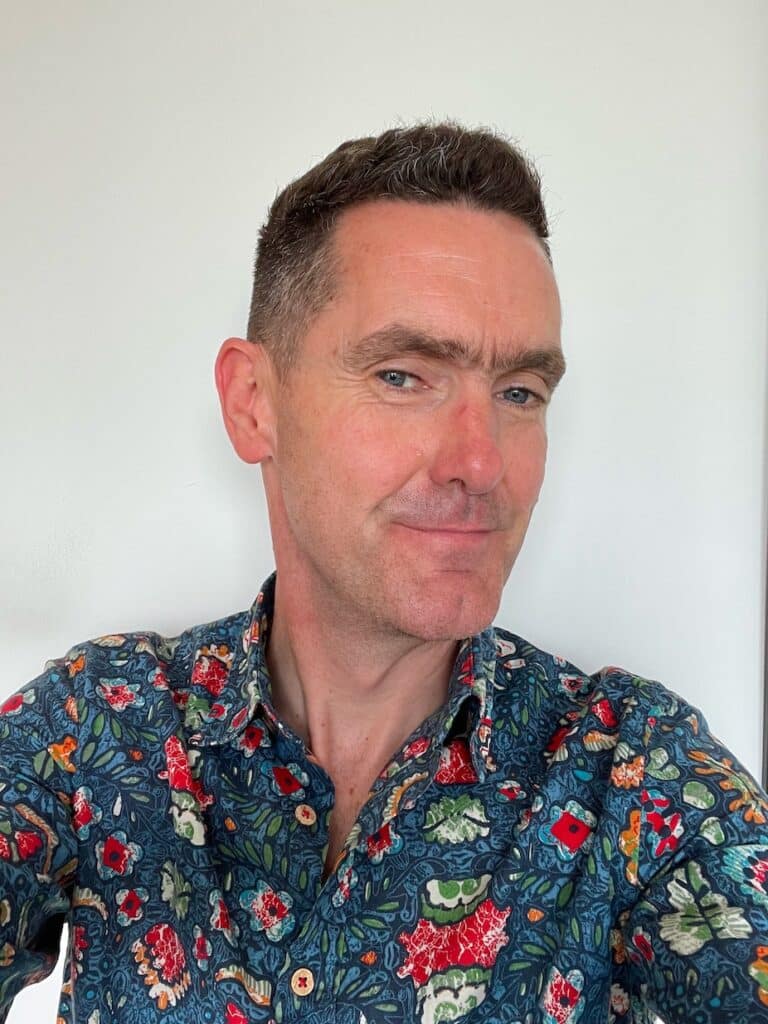
John Rouse
Group Leader

Ivan M. Munoz
PostDoc

Daniel Ungureanu
PhD Student

Jianming Wang
PostDoc

Vikram Tejwani
PhD Student
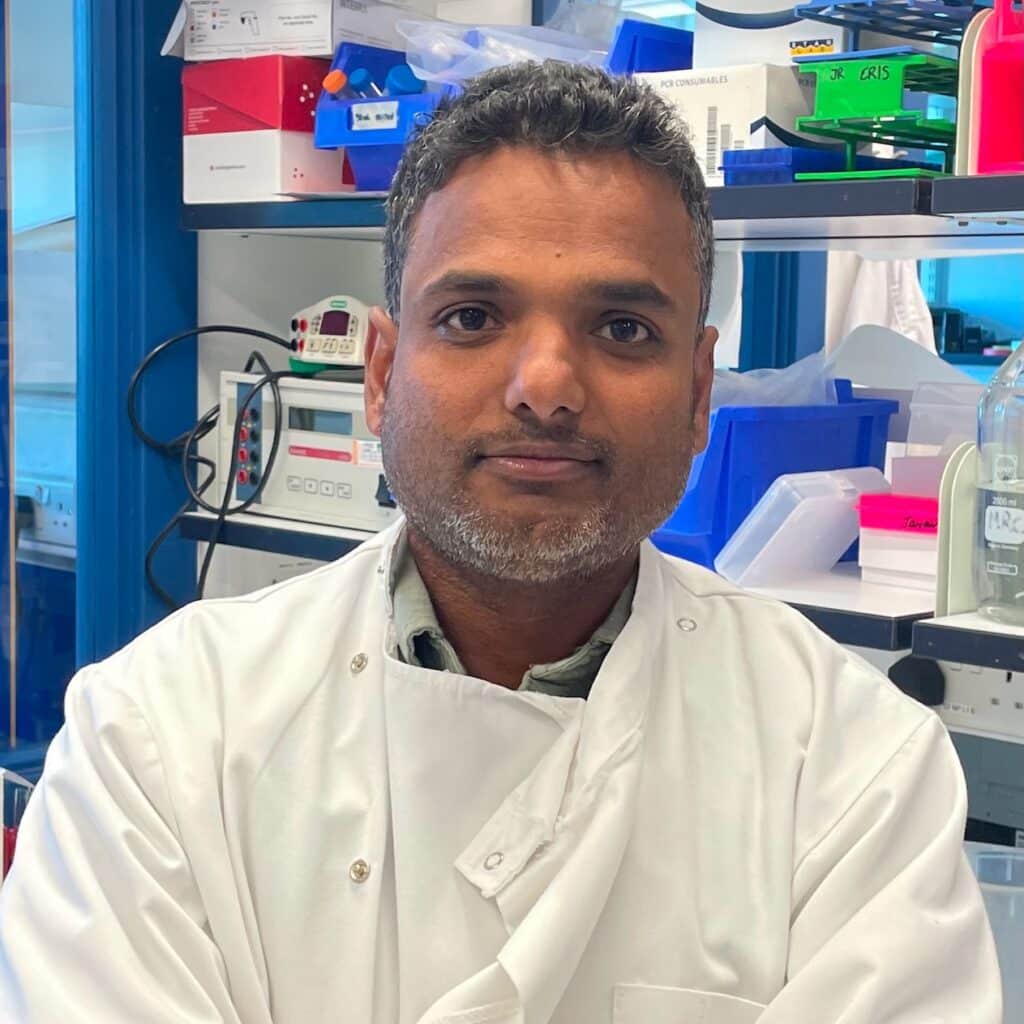
Rathan Jadav
PostDoc